Community Health Extension Workers (CHEWs) in Rukungiri District are in crisis as they face the imminent conclusion of their training program without adequate financial support or accommodation. The six-month training, which began on June 23, aimed to enhance community health services and involved 210 participants aged 18 to 35. Each parish had two representatives, ensuring a localized approach to community health.
As the program is set to end tomorrow, December 5, Nagaba Benson, Tukahebwa Florence and Ariho Benius among the trainees have expressed frustration over unfulfilled financial commitments, including unpaid transport refunds and practicum allowances. Many participants relocated for the training, expecting timely reimbursements that would help cover their living expenses. However, landlords are now demanding rent, leading to fears of eviction.
They lamented that they had to rent houses in town, believing we would receive their allowances. With rents piling up, transport and little to eat, many participants are left in a precarious situation. They temporarily abandoned jobs and family responsibilities, hoping the training would lead to better opportunities.
Cue in…………………. Benson, Florence and Benius citing
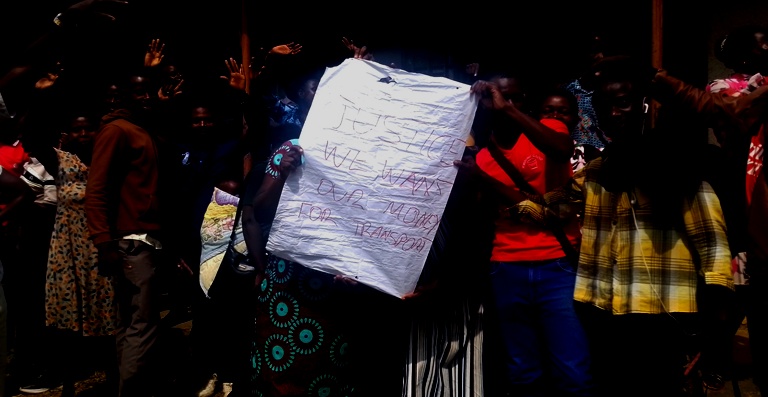
In response to the escalating crisis, the trainees have organized protests, even rejecting provided meals as a statement against the ongoing financial neglect declaring that they will not continue until their payments are made, with some threatening to demonstrate at the District Health Officer’s office if their demands are not met.
Cue in………….voxpop
Baryashaba Babylon, another participant, has called on local government leaders, including the Resident District Commissioner (RDC), Chief Administrative Officer (CAO) and the Chairperson of LC 5, to intervene stressing that they are suffering greatly urging that they need immediate action emphasizing the urgency of their plight.
Cue in………………… Babylon urging
Attempts to reach some of the officials responsible for the training became a challenge, although Madam Kansiime Naome, head of JCRC Rukungiri, acknowledged the trainees’ concerns. However, she provided limited explanations for the delays in payment in a tough face.
As the program wraps up, uncertainty looms over the future of these trainees and the community health services they were being prepared to provide. The situation highlights systemic issues in resource allocation and communication within the training programs, risking the stability of aspiring health workers committed to serving their communities.